This post may contain affiliate links. If you make a purchase through these links, we may earn a commission at no additional cost to you.
It starts with a lie we tell ourselves every September: “This is the year I ditch the gear bag.” You buy the flagship, you trek to the ridgeline or the wedding venue, and the moment the lighting gets complicated, you feel that familiar sinking feeling. The highlights are blown out. The bokeh looks like a bad Photoshop cut-out. You miss the shot because you were fumbling with a touchscreen slider instead of a tactile dial.
For years, manufacturers have tried to brute-force quality with “More Megapixels”—a marketing metric that means absolutely nothing if the sensor collecting the light is the size of a tic-tac. A 200MP image on a bad sensor is just a high-resolution map of noise.
But this year’s different. We aren’t just seeing better specs; we are seeing a philosophical shift. The “Computational Photography” era (where AI guesses what the photo should look like) is finally merging with “Optical Integrity” (good old-fashioned glass and physics). We tore down the spec sheets and analyzed the sensor logic to find the only 5 devices that can actually look a Canon R5 in the eye without blinking.
TL;DR: The Quick Verdicts
| Rank & Product | Best For… | The “One-Line” Verdict |
| #1. Sony Xperia 1 VII | The Purist | A legit Alpha camera that happens to make calls. |
| #2. Samsung Galaxy S25 Ultra | The Power User | The Swiss Army Knife with a 200MP sledgehammer. |
| #3. Google Pixel 10 Pro XL | The Editor | It fixes your mistakes before you even make them. |
| #4. Xiaomi 15T Pro | The Auteur | Leica soul on a budget, if you can find a signal. |
| #5. iPhone 17 Pro Max | The Influencer | Boring, reliable perfection for the video-first crowd. |
The Lab Standard: How We Grade Quality
We don’t care about DXOMARK scores. We care about the workflow of a working creative.
- Metric #1 [The Glass Ceiling]: This measures Optical Integrity. We look for sensor size (1-inch or near), lens coatings (Zeiss/Leica), and variable optical zoom. We want physics, not digital cropping.
- Metric #2 [The Friction Factor]: This measures Usability. Can you adjust ISO without diving into three sub-menus? Is there a physical shutter button? How is the latency between seeing the moment and capturing it?
- Metric #3 [The Day-2 Test]: This measures Endurance & Utility. Does the battery survive a 4K shoot? Does it overheat? Can it actually replace a rig, or is it just a toy?
#1. Sony Xperia 1 VII
The only phone on this list that treats you like a photographer, not a content consumer.
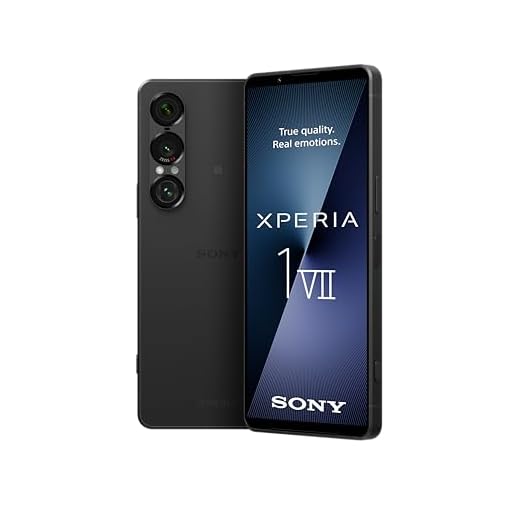
Sony Xperia 1 VII – 6,5" 19,5:9 FHD+ HDR OLED 120Hz, Triple lens with ultra-wide-angle lens, 3,5mm Audio, Android 15, IP65/68, Dual SIM, Slate Black
- The Alpha Experience: The only phone with a dedicated two-step physical shutter button and an interface identical to Sony’s professional cameras.
- Real Optical Zoom: Features a true variable optical telephoto lens (85-170mm) that moves glass elements, rather than digital cropping.
- Spec Highlight: Exmor T for mobile sensor with 2-layer transistor pixel technology for low noise.
- Spec Highlight: 4K HDR OLED 120Hz display calibrated by the BRAVIA team.
- Who it’s for: The Purist who shoots Manual mode and refuses to let an algorithm decide their exposure.
The Engineering & Design
This isn’t a phone; it’s an Alpha camera slimmed down for your pocket. The Secret Sauce here is the Exmor T for mobile sensor paired with genuine Zeiss T anti-reflective coatings*. While other phones use AI to hallucinate detail, Sony uses a variable optical telephoto lens (85-170mm) that physically moves glass elements to zoom. That means the compression and bokeh you see are real, not an algorithmic filter.
The Performance Experience
Holding the Xperia 1 VII feels like holding a tool. It has a dedicated, textured shutter button with half-press focus—a muscle memory delight for anyone who has shot DSLR. The 3.5mm headphone jack (yes, it’s there) means you can monitor audio natively during video shoots without dongle hell. The 4K HDR OLED 120Hz screen is calibrated by Sony’s Bravia team, meaning the colors you edit are the colors you actually print.
What Customers Say About The Xperia 1 VII
- The Frustration: The “Recall.” Early adopters faced a terrifying issue where the phone would “brick” (suddenly die) due to power manufacturing defects.
- The Consensus: It is a niche masterpiece. Owners love that it refuses to copy the iPhone, offering expandable storage and a notch-less display.
- The Praise: The audio fidelity and the “Pro-level manual controls” that mirror Sony’s Alpha interface.
The “Fatal Flaw”
Reliability Roulette. The launch was plagued by a recall due to power issues. Buying one feels like buying an exotic Italian sports car: incredible performance, but you live in constant fear of it not starting one morning.
Who Is This For?
The Purist. You shoot in Manual mode, you own wired Sennheisers, and you despise the term “Computational Photography.”
#2. Samsung Galaxy S25 Ultra
A productivity monster that brute-forces excellence through sheer spec dominance.
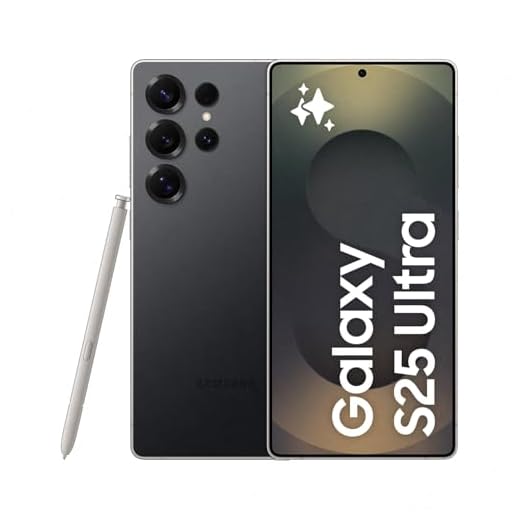
Samsung Galaxy S25 Ultra AI Smartphone, Galaxy AI, 12GB Memory, 256GB Storage, 200MP Camera, S Pen Included, Titanium Black, 3 Year Manufacturer Extended…
- The Studio in Your Pocket: The built-in S Pen allows for precise dodging, burning, and masking in Lightroom Mobile that fingers can’t match.
- Resolution King: The massive sensor allows for aggressive cropping without losing print-quality detail.
- Spec Highlight: 200MP Wide Camera driven by the Snapdragon 8 Elite processor.
- Spec Highlight: Audio Eraser technology for isolating subjects in noisy video environments.
- Who it’s for: The Power User who needs a device that replaces their tablet, laptop, and primary camera.
The Engineering & Design
Samsung’s approach is “More is More.” The Secret Sauce is the Snapdragon 8 Elite processor driving a massive 200MP Wide Camera. But the real magic is the Built-in S Pen. For photographers, the S Pen isn’t just a stylus; it’s a remote shutter release and a precision tool for dodging and burning in Lightroom Mobile.
The Performance Experience
The shooting experience is authoritative. The 6.9-inch Dynamic AMOLED screen is like carrying an IMAX in your pocket, making framing and reviewing shots incredibly immersive. The AI Night Mode with “Audio Eraser” capability allows for video capture in noisy environments that would usually require a shotgun mic. It’s heavy, dense, and feels industrial.
What Customers Say About The S25 Ultra
- The Frustration: Heat. Users report the device gets uncomfortably warm during extended photo sessions (“se calienta cuando tomas fotos”).
- The Consensus: It’s the “everything phone.” Owners accept the bulk because it replaces their tablet, camera, and laptop.
- The Praise: The Zoom. The ability to snap crisp images at 10x and usable ones at 100x remains a party trick that never gets old.
The “Fatal Flaw”
The Bloat. It tries to do too much. Between “Energy Scores,” “Morning Briefs,” and Bixby/Gemini fighting for dominance, the OS feels cluttered. You are buying a computer, with all the maintenance that entails.
Who Is This For?
The Power User. You are a CEO or a Vlogger who edits 4K footage on the flight home and needs a battery that lasts 24+ hours.
#3. Google Pixel 10 Pro XL
It doesn’t capture reality; it captures what you wish reality looked like.
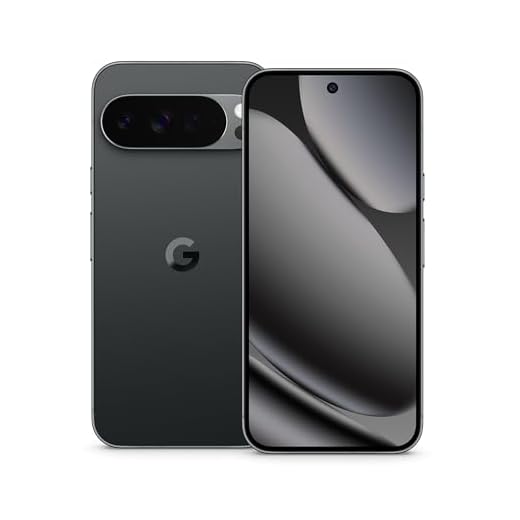
Google Pixel 10 Pro XL – Unlocked Android Smartphone with Gemini, Triple Rear Camera, 24+ Hour Battery and 6.8" Super Actua Display – Obsidian, 256GB
- The Magic Editor: Uses context-aware AI to fix composition errors, remove crowds, and perfect lighting after the shot is taken.
- HDR Mastery: Consistently produces the most dynamic, evenly exposed images in high-contrast scenarios (like sunsets).
- Spec Highlight: Tensor G5 Chip designed specifically for real-time image processing.
- Spec Highlight: Super Actua Display with 3,000+ nits brightness for outdoor visibility.
- Who it’s for: The Editor who wants “Gram-ready” perfection without fiddling with ISO sliders.
The Engineering & Design
If Sony is hardware, Google is software. The Secret Sauce is the Tensor G5 Chip and its integration with Gemini AI. The hardware is almost secondary to the “Magic Editor” and “Video Boost” pipeline. It processes image data with an understanding of semantic context—it knows that’s a face, that’s a sky, and that’s a cat, and processes them separately in milliseconds.
The Performance Experience
Shooting with the Pixel is effortless. You don’t worry about settings; you just point and shoot. The Super Actua Display (3,000+ nits) is visible even in direct desert sunlight. Features like “Add Me” (putting the photographer into the group shot via AI) feel like cheating, but for a family historian or solo traveler, they are invaluable.
What Customers Say About The Pixel 10 Pro XL
- The Frustration: The Modem. The 5G/WiFi connectivity is inconsistent (“pages take ages to load”), a legacy issue that Google still hasn’t fully exorcised.
- The Consensus: It is the smartest phone you can buy. Users feel like they have a professional editor living in their pocket.
- The Praise: The “Unbeatable Camera System” for still photos. The dynamic range (HDR) is consistently voted the most pleasing to the human eye.
The “Fatal Flaw”
Battery Anxiety. While improved, the Tensor chip is still less efficient than Snapdragon. Intense AI processing drains the tank fast, and the “camera bar” physically protrudes enough to snag on pockets.
Who Is This For?
The Editor. You care more about the final image than the process of taking it. You want your photos to look “Gram-ready” straight out of the camera.
#4. Xiaomi 15T Pro
A Leica camera disguised as a budget phone—if you can get it to connect to a tower.

Xiaomi 15 Ultra Smartphone, 16+512GB, Black, 100mm Leica 200MP super telephoto, 5410mAh battery, 90W HyperCharge, HyperAI (No power adapter included)
- Leica Soul: Offers distinct “Leica Authentic” and “Leica Vibrant” profiles that mimic the color science of legendary German cameras.
- Speed Demon: Charges fully in minutes and features a gaming-grade refresh rate for fluid viewfinder performance.
- Spec Highlight: Light Fusion 900 image sensor with 13.5EV high dynamic range.
- Spec Highlight: 144Hz AI Display for zero-latency framing.
- Who it’s for: The Auteur who wants a cinematic, moody aesthetic on a budget (and is comfortable with international tech).
The Engineering & Design
This is the rebel choice. The Secret Sauce is the partnership with Leica and the Summilux Optical Lens. Xiaomi didn’t just slap a logo on; they adopted Leica’s color science (Leica Authentic vs. Leica Vibrant). The Light Fusion 900 sensor offers dynamic range that rivals APS-C cameras, creating moody, atmospheric shots that lack the “over-sharpened” look of Samsung or Apple.
The Performance Experience
It feels subversive. You are getting 144Hz refresh rates and 120W HyperCharge (0 to 100% in ~20 mins) for significantly less money than the competition. The portrait mode, tuned by Leica, produces skin tones that are distinctively European—rich, contrasted, and cinematic.
What Customers Say About The Xiaomi 15T Pro
- The Frustration: Compatibility. It is an “International Model” with no US warranty and spotty support for bands (Verizon/AT&T issues).
- The Consensus: A “Game Changer” for value. Owners feel like they cheated the system by paying less for superior optics.
- The Praise: The “Leica Optics” and the battery charging speed.
The “Fatal Flaw”
The “Grey Market” Headache. You are on your own. No warranty support in the US, and you might find yourself stuck on 4G in a 5G world depending on your carrier. It’s a high-risk, high-reward device.
Who Is This For?
The Auteur. You want a specific “look” to your photos that stands out from the generic smartphone crowd, and you know how to configure APN settings.
#5. iPhone 17 Pro Max
The Toyota Camry of cameras—boring, reliable, and exactly what 90% of people actually need.

Apple iPhone 17 Pro Max 512 GB: 6.9-inch Display with ProMotion, A19 Pro Chip, Best Battery Life in Any iPhone Ever, Pro Fusion Camera System, Center Stage…
- Video Reliability: The undisputed king of video stabilization, audio capture, and color consistency across all lenses.
- Seamless Ecosystem: The “Camera Control” button and instant integration with Mac workflows make it the fastest tool for creators.
- Spec Highlight: 48MP Fusion Camera with zero shutter lag.
- Spec Highlight: A19 Pro Chip capable of recording ProRes video directly to external drives.
- Who it’s for: The Influencer and Video-First creator who needs a tool that just works, every single time.
The Engineering & Design
Apple plays it safe. The Secret Sauce isn’t one feature; it’s the Ecosystem. The transition between the 48MP Fusion lenses is imperceptible. The new “Camera Control” button adds a layer of physical interaction, but it’s the A19 Pro chip’s ability to handle ProRes video without dropping a frame that keeps it on this list.
The Performance Experience
It is the gold standard for video. While the photos can look “flat” compared to the Pixel, the video quality is untouched. The stabilization, the audio, and the consistency of the preview matching the result are unmatched. It works. Always.
What Customers Say About The iPhone 17 Pro Max
- The Frustration: Boredom. Long-time users describe it as “just another iPhone.” The magic is gone; it’s just a utility now.
- The Consensus: It’s the safe bet. “Works great,” “Smooth and quick,” but lacks the excitement of the foldables or the Alpha-integration of Sony.
- The Praise: Battery Life and Video Quality. It remains the only phone you can trust to film a whole wedding ceremony without overheating or crashing.
The “Fatal Flaw”
Stagnation. It costs a “crazy amount” for a device that feels exactly like the one you bought three years ago. It lacks the adventurous spirit of the others on this list.
Who Is This For?
The Influencer. You live on TikTok and Instagram Stories. You need an app ecosystem that is prioritized by developers and a camera that never glitches.
The Final Verdict: Best Buys of the Top 5
- The Professional/Power User: Buy the Sony Xperia 1 VII. Yes, the recall is scary, but buy it with a warranty and insurance. The variable optical zoom and dedicated shutter button offer a tactile connection to photography that no other phone can match. It is the only true “DSLR” alternative here.
- The Value/Budget Play: Buy the Xiaomi 15T Pro. If you are on T-Mobile or Mint (GSM carriers) and want world-class Leica glass for under $900, this is a steal. Just don’t break it, because nobody can fix it.
- The Niche Specialist: Buy the Samsung Galaxy S25 Ultra if you are a multi-tasker. The S Pen photo editing workflow is unique, and the 200MP sensor allows for “cropping in” that saves you when you didn’t bring a zoom lens.
2026 Outlook: The Future of Mobile Photography
Based on the trajectory of these five devices, 2026 will bring three distinct shifts:
- Trend #1: The Death of the “Main” Lens. We are seeing sensors get larger across all lenses. Soon, the “Ultra Wide” and “Telephoto” will have the same 1-inch sensors as the main camera, eliminating the quality drop-off when you zoom.
- Trend #2: Generative Optics. The Pixel’s “Add Me” and Samsung’s “AI Eraser” are just the start. Future phones will generate pixels that never existed to “fix” motion blur or missed focus, raising serious questions about the authenticity of photography.
- Trend #3: Physical Controls Return. Sony’s shutter button and Apple’s Camera Control suggest a return to tactile interfaces. Expect more dials, sliders, and buttons as users get tired of poking at glass.
Further Reading
If you want to actually understand how to use these tools, skip the YouTube unboxings and go to the source:
- The “Bible” Book: “The Camera” by Ansel Adams. It sounds archaic, but the principles of zone systems and exposure apply perfectly to manual mode on a Sony Xperia.
- The Technical Deep Dive: DPReview.com. They are one of the few outlets that treat smartphone sensors with the same scientific rigor as a Phase One medium format back.
- The Community Hub: XDA Developers Forums. If you want to know which GCam (Google Camera) mod makes the Xiaomi lens perform like a Pixel, this is where the wizards hang out.